The True Crime Files
True Crime First Editions: Why Collectors Prize These Dark Pieces of Publishing History
True crime has become one of the most collected non-fiction genres in the rare book world, with first editions of landmark titles commanding strong prices and consistent demand. For collectors, true crime first editions combine literary importance, cultural history, and the enduring public fascination with real-life criminal cases. Whether you are a seasoned rare book buyer or just beginning to explore the market, understanding which true crime first editions matter most can help you build a valuable and historically significant collection.
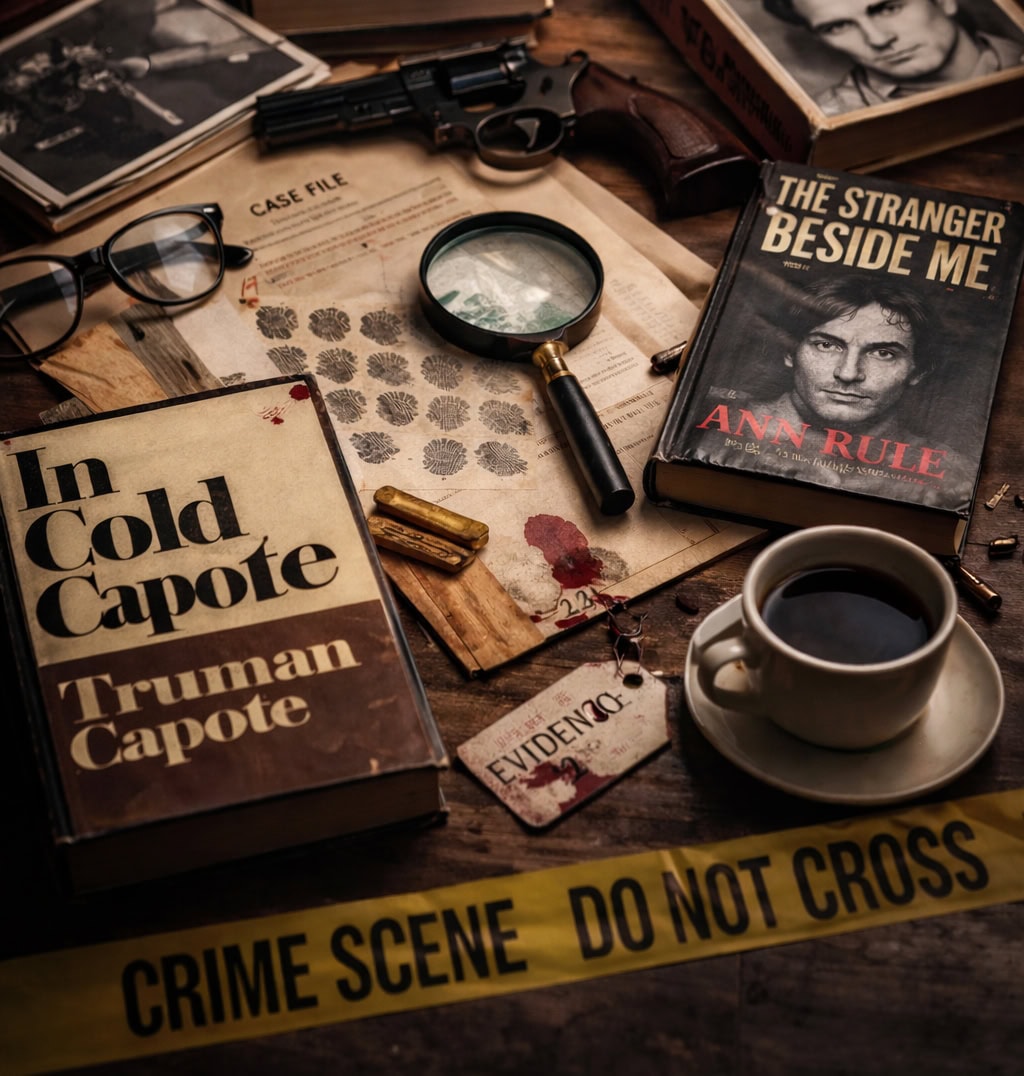
One of the most important true crime first editions ever published is In Cold Blood. First released in 1966, this book fundamentally changed how crime stories were written and marketed. Blending investigative journalism with literary storytelling, it created what many consider the modern true crime narrative style. First editions are highly sought after not only by true crime collectors but also by literary collectors, making them one of the strongest crossover collectibles in modern publishing. Condition is especially important, with original dust jackets significantly increasing value.
Another cornerstone title is The Executioner’s Song, published in 1979. This Pulitzer Prize-winning work stands apart because it combines true crime subject matter with literary prestige. The book explores the life and execution of Gary Gilmore in extraordinary detail, and first editions are prized for their connection to both literary history and American cultural history.
For collectors interested in psychological true crime and serial killer history, The Stranger Beside Me remains a standout first edition. Published in 1980, it is unique because of the author’s personal relationship with Ted Bundy before his crimes were fully known. This direct narrative connection makes first editions particularly desirable. Demand has remained steady due to ongoing public interest in serial killer cases and the book’s reputation as one of the most personal accounts ever written in the genre.
A more modern but increasingly collectible title is The Family, which examines the story of the Manson Family from a different narrative angle than earlier works. As interest in the cultural impact of the late 1960s continues, first editions of books exploring this era have shown strong collector growth. Modern true crime first editions like this can represent strong long-term collecting opportunities, especially when preserved in fine condition.
When collecting true crime first editions, provenance, condition, and print state are critical factors. Dust jackets should be original and unrestored where possible, and any association marks or inscriptions can add to a book’s historical interest. Collectors should also focus on books that changed public understanding of crime or influenced later writing in the genre.
As true crime continues to dominate publishing and streaming media, demand for original first editions of classic titles is likely to remain strong. For collectors, these books represent more than stories of crime — they are artefacts of cultural history, journalism, and literary evolution.