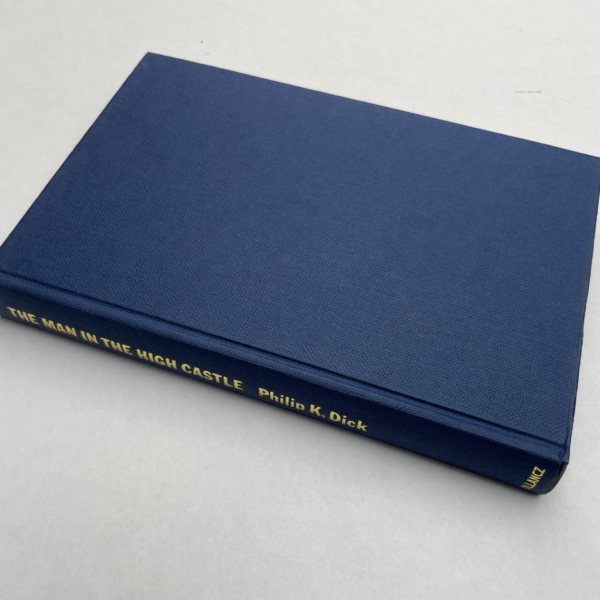
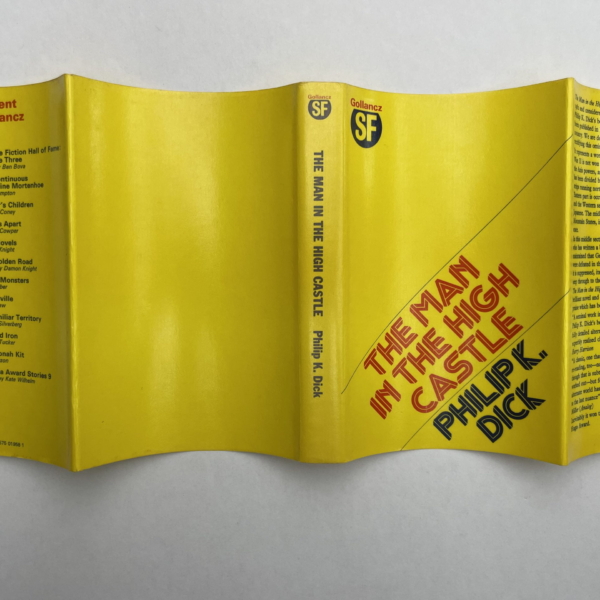
Philip K. Dick – The Man in the High Castle – First UK Edition 1962
£600.00
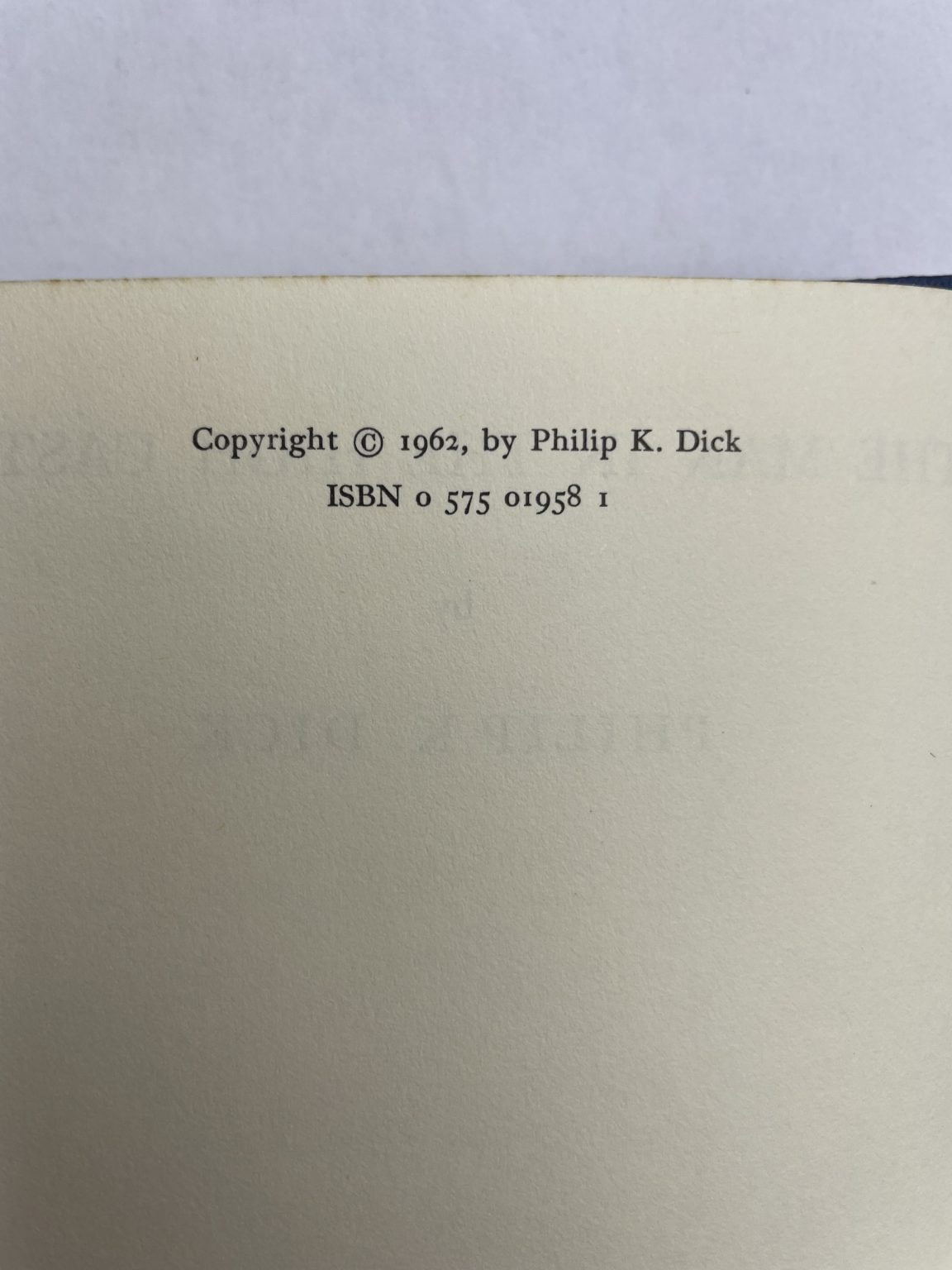
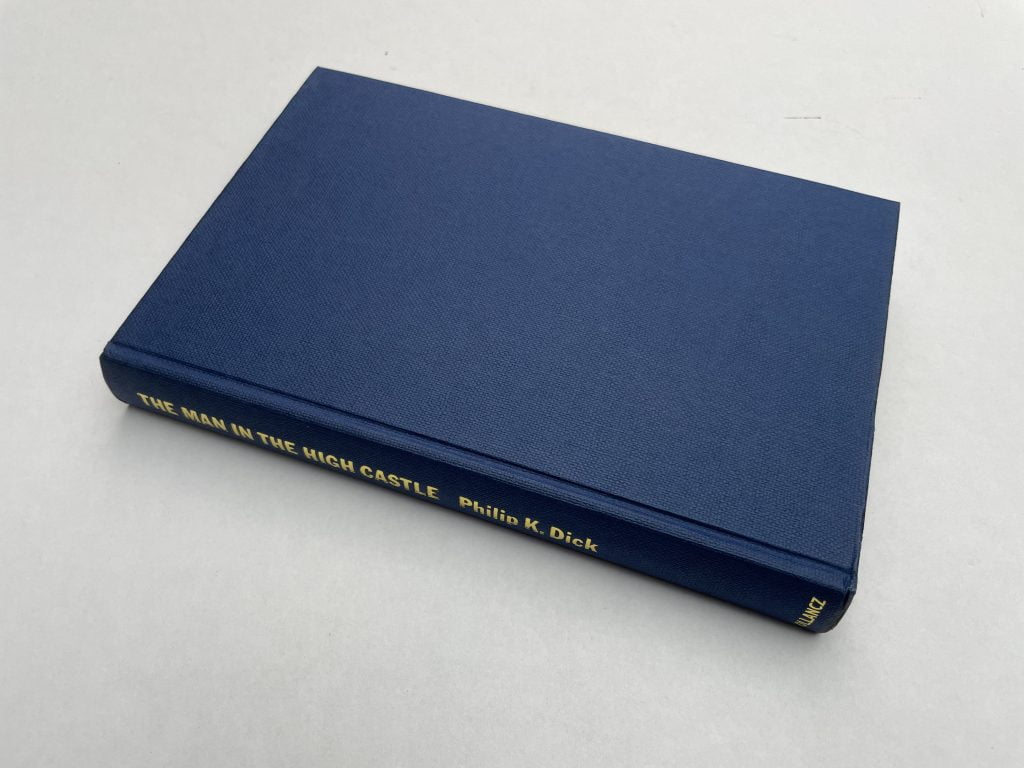
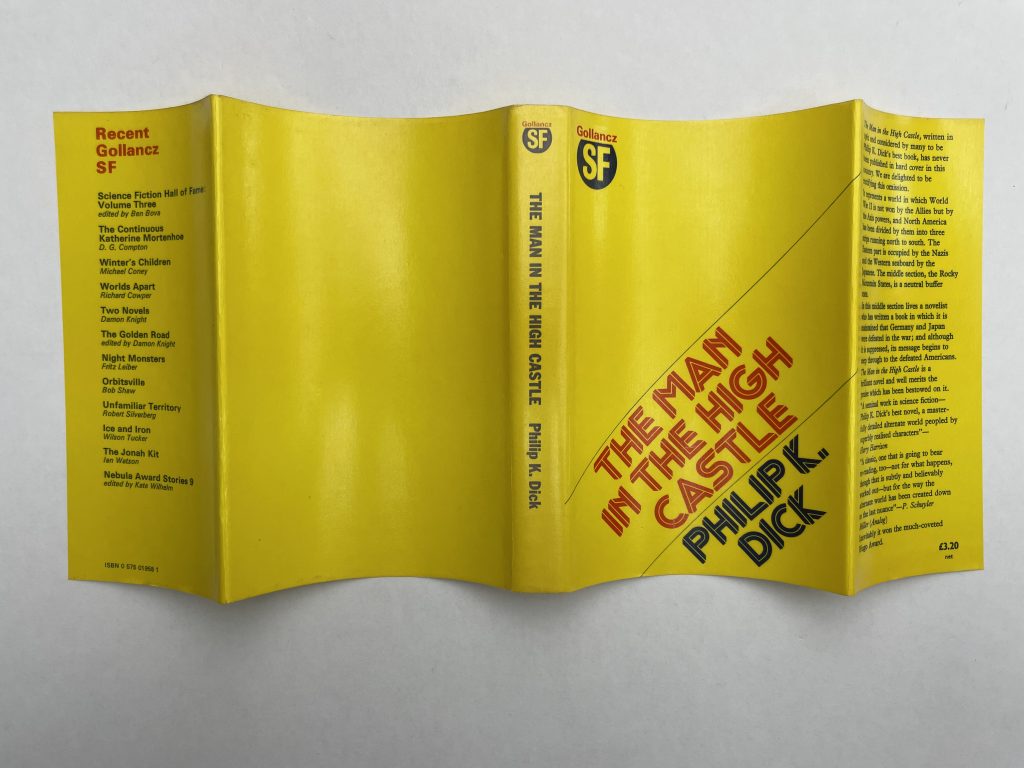
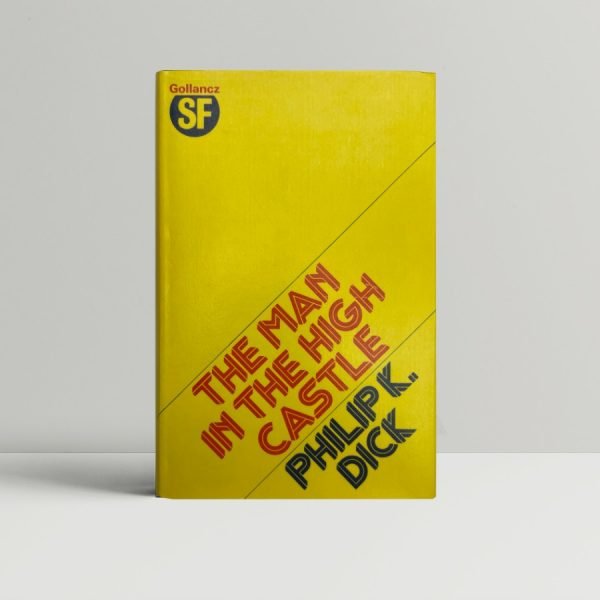
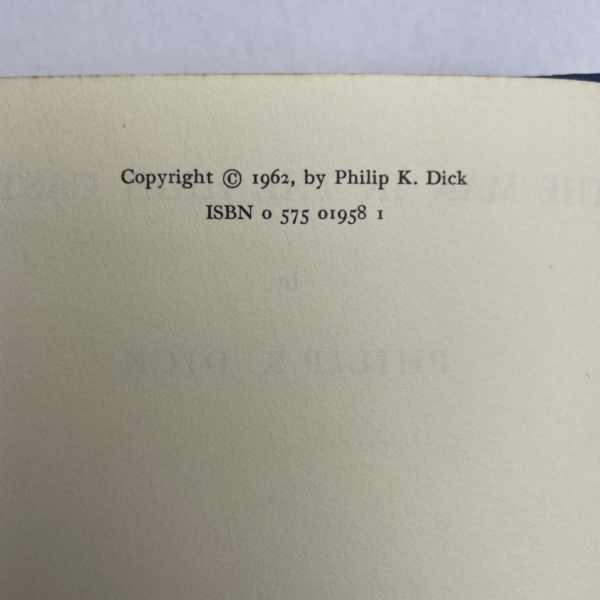
A first edition, first printing published by Gollancz in 1975 – published originally in the USA in 1962. A near fine book with spotting more so to the top edge – no inscriptions in a near fine unclipped wrapper.
Philip K. Dick’s “The Man in the High Castle” has left a profound cultural impact since its publication in 1962. As a pioneering work of alternate history science fiction, the novel challenged conventional historical narratives by presenting a world in which the Axis Powers emerged victorious in World War II. This imaginative exploration of a divergent historical path not only earned critical acclaim but also contributed to the popularisation of alternate history as a literary sub-genre. Dick’s work initiated a broader discourse on the “what if” scenarios of history, inspiring subsequent writers to engage with counterfactual storytelling. Beyond literature, the novel’s influence extended to popular culture through a 2015 television adaptation, fostering broader interest in alternate history themes. It prompted discussions about totalitarianism, propaganda, and resistance, making it relevant in a time of political uncertainty during the Cold War. In sum, “The Man in the High Castle” stands as a pivotal cultural touchstone that continues to shape discussions on history, fiction, and the human condition.
(We don't keep all of our stock in the shop, so send us an email if you're planning a trip to see a particular author or book.)
- Description
Description
A first edition, first printing published by Gollancz in 1975 – published originally in the USA in 1962. A near fine book with spotting more so to the top edge – no inscriptions in a near fine unclipped wrapper.
Philip K. Dick’s “The Man in the High Castle” has left a profound cultural impact since its publication in 1962. As a pioneering work of alternate history science fiction, the novel challenged conventional historical narratives by presenting a world in which the Axis Powers emerged victorious in World War II. This imaginative exploration of a divergent historical path not only earned critical acclaim but also contributed to the popularisation of alternate history as a literary sub-genre. Dick’s work initiated a broader discourse on the “what if” scenarios of history, inspiring subsequent writers to engage with counterfactual storytelling. Beyond literature, the novel’s influence extended to popular culture through a 2015 television adaptation, fostering broader interest in alternate history themes. It prompted discussions about totalitarianism, propaganda, and resistance, making it relevant in a time of political uncertainty during the Cold War. In sum, “The Man in the High Castle” stands as a pivotal cultural touchstone that continues to shape discussions on history, fiction, and the human condition.