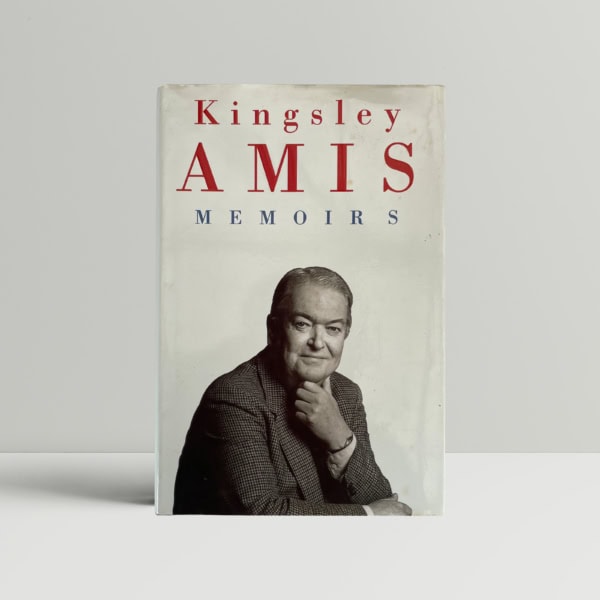
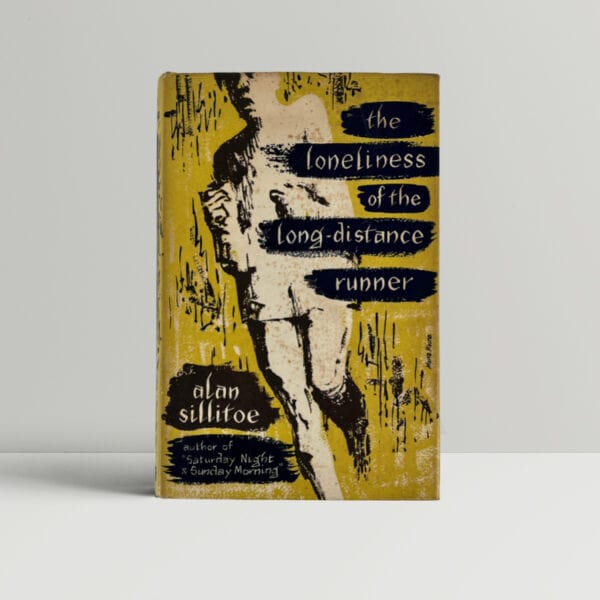
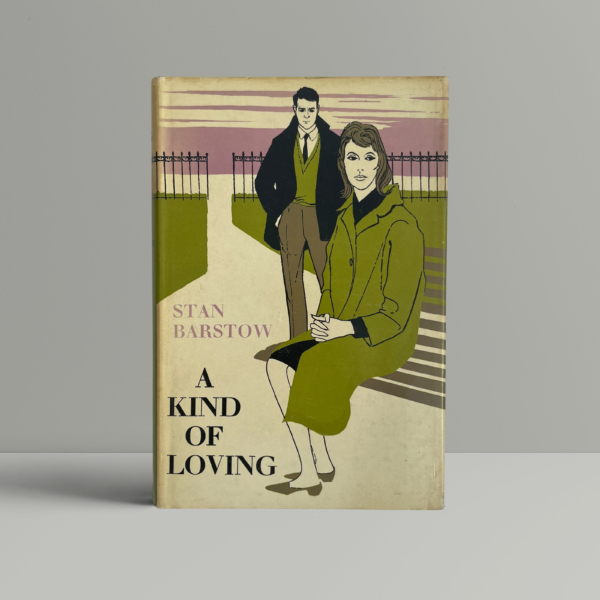
The Angry Young Men were a group of British writers who emerged in the 1950s, challenging traditional class structures and literary conventions. Their work reflected post-war social tensions, economic hardship, and frustration with the British establishment.
The movement gained momentum with John Osborne’s Look Back in Anger in 1956. It shocked audiences with its raw emotion and outspoken criticism of class privilege. As a result, it redefined modern British theatre and helped launch a new generation of socially conscious writers.
Today, their influence remains visible in modern British fiction, theatre, and film, where social commentary and authentic voices continue to shape storytelling.
(We don't keep all of our stock in the shop, so send us an email if you're planning a trip to see a particular author or book.)