John Osborne – Look Back In Anger – First UK Edition 1957

£175.00
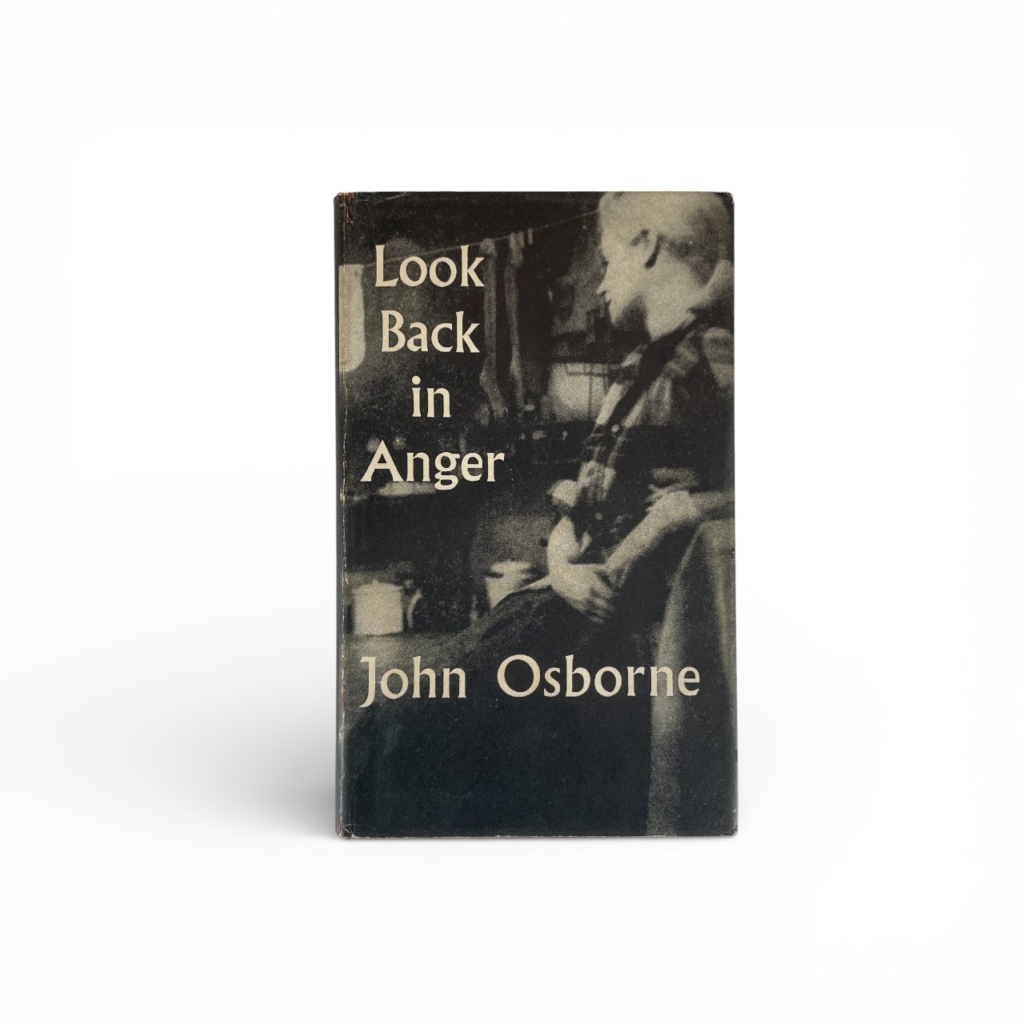
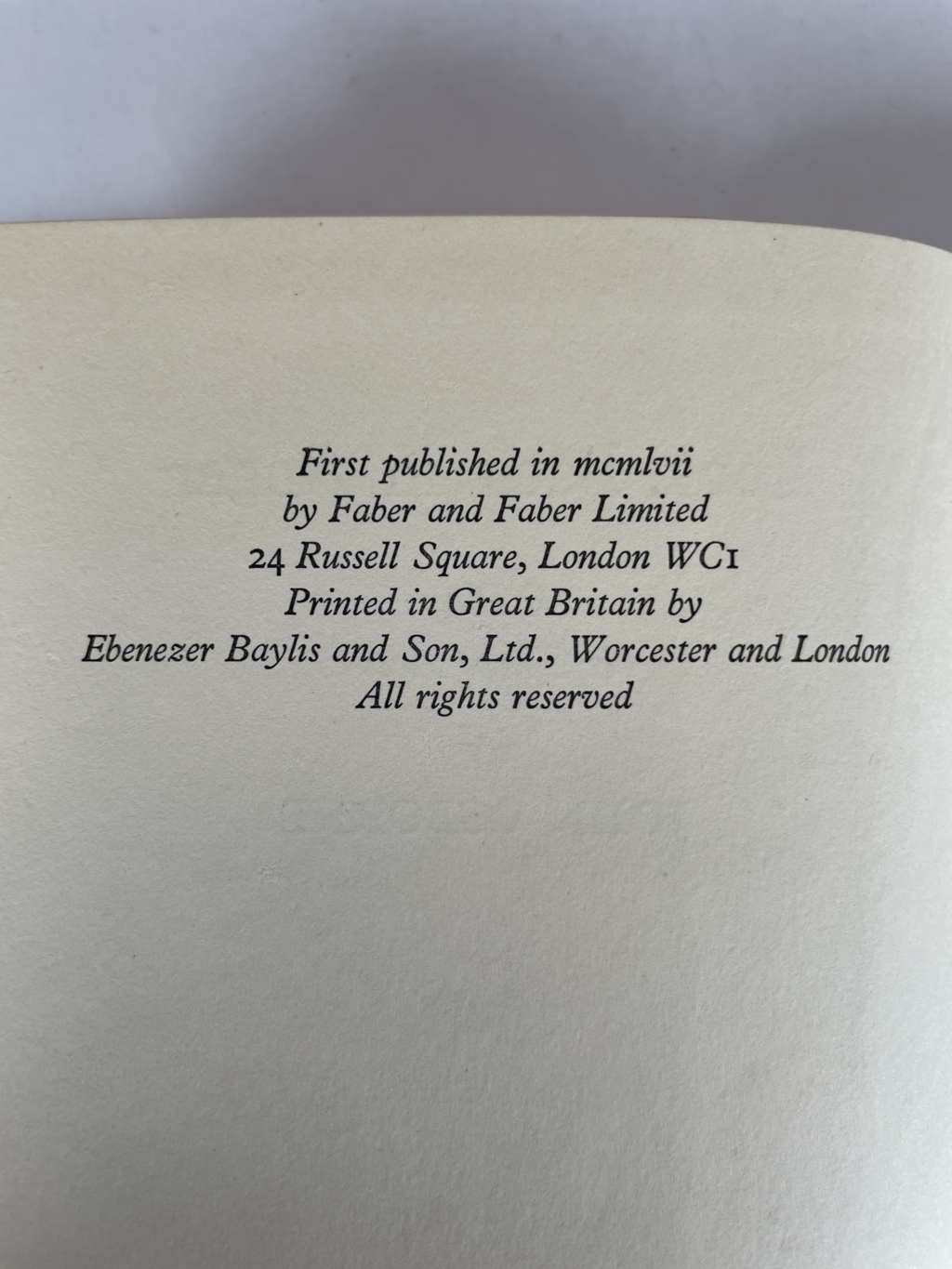
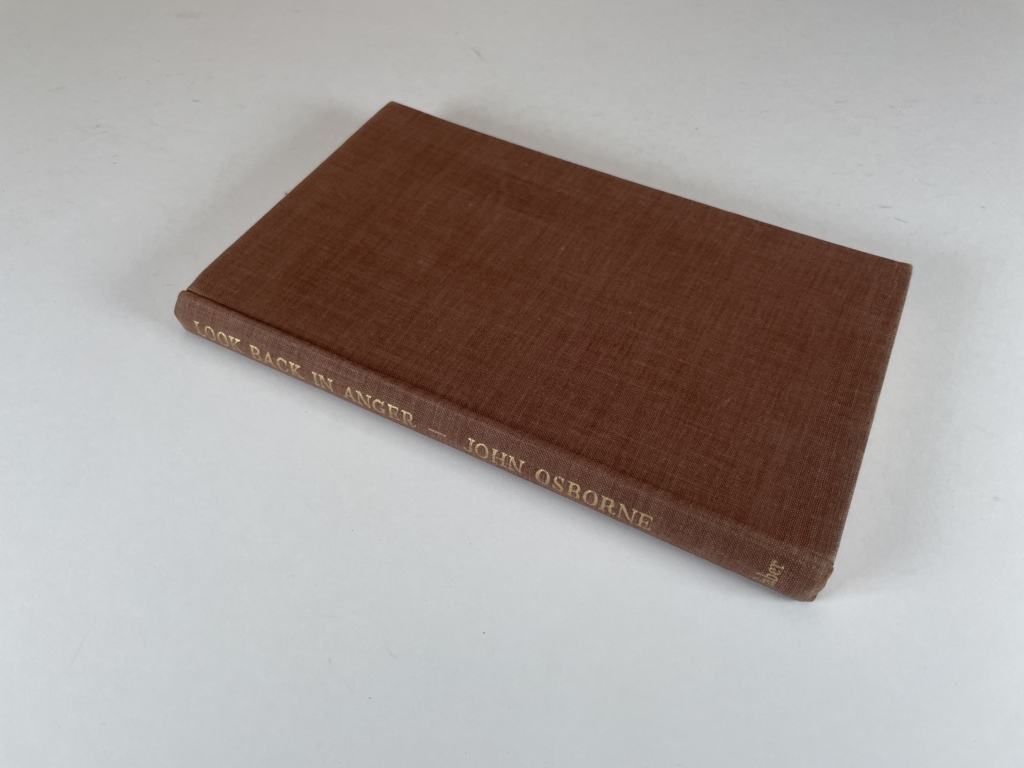
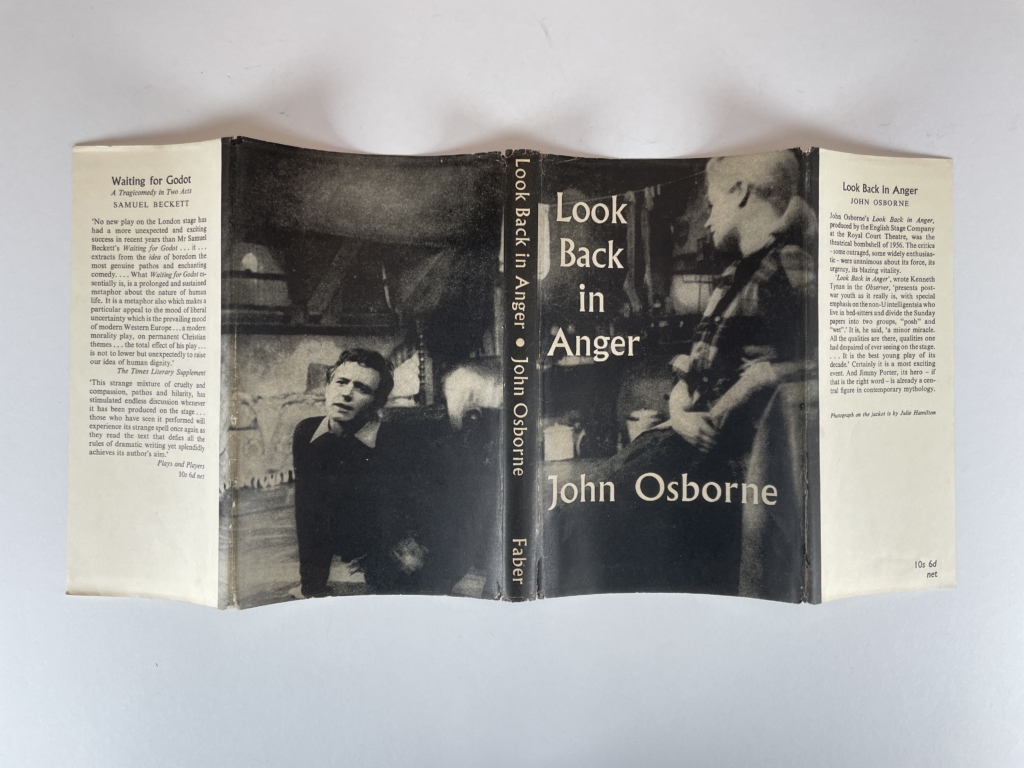
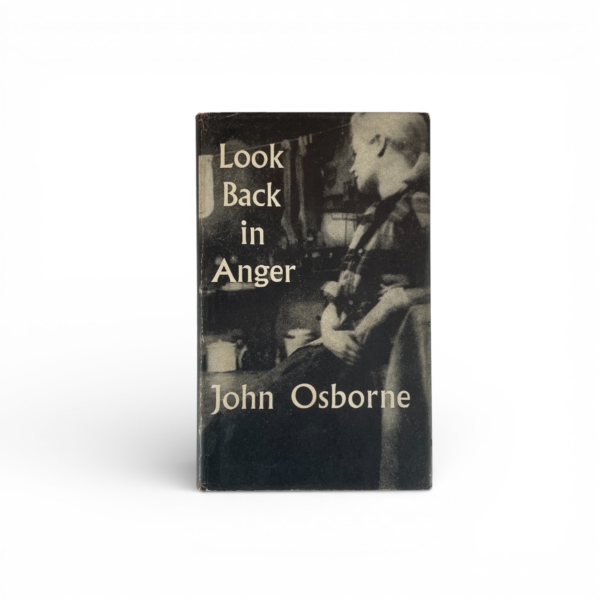
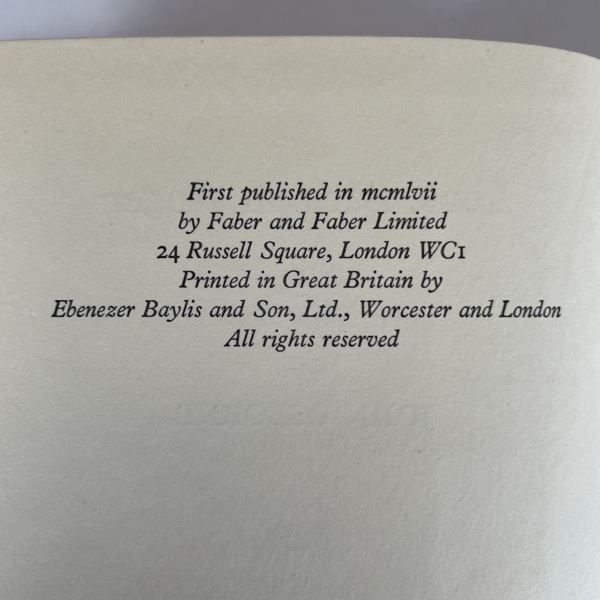
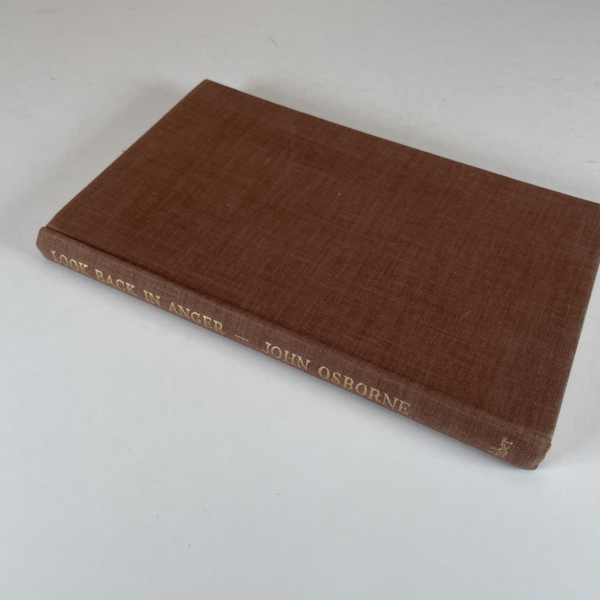
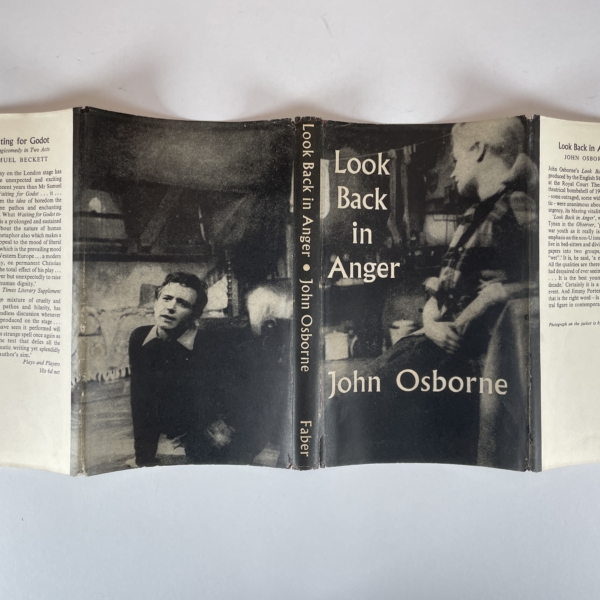
A first edition, first printing of Look Back in Anger by John Osborne, published by Faber, London in 1957. A near fine book signed and dated by a previous owner to the front free end paper, some toning to the text block and ghosting to the prelims. In a near fine unclipped wrapper with closed tears and chipping to the spine tips and chipping to the knuckles of front and rear flap folds. Photograph on the wrapper by Julie Hamilton.
Look Back in Anger by John Osborne is a landmark play that channels post-war British disillusion through the volatile figure of Jimmy Porter. Angry, eloquent and cruel, Jimmy rages against class privilege, emotional complacency and moral inertia. The play shattered polite theatrical conventions, inaugurating the “Angry Young Men” movement. Osborne combines domestic realism with fierce rhetoric, exposing the pain beneath bravado and the emotional costs of alienation in a changing Britain.
(We don't keep all of our stock in the shop, so send us an email if you're planning a trip to see a particular author or book.)
- Description
Description
A first edition, first printing of Look Back in Anger by John Osborne, published by Faber, London in 1957. A near fine book signed and dated by a previous owner to the front free end paper, some toning to the text block and ghosting to the prelims. In a near fine unclipped wrapper with closed tears and chipping to the spine tips and chipping to the knuckles of front and rear flap folds. Photograph on the wrapper by Julie Hamilton.
Look Back in Anger by John Osborne is a landmark play that channels post-war British disillusion through the volatile figure of Jimmy Porter. Angry, eloquent and cruel, Jimmy rages against class privilege, emotional complacency and moral inertia. The play shattered polite theatrical conventions, inaugurating the “Angry Young Men” movement. Osborne combines domestic realism with fierce rhetoric, exposing the pain beneath bravado and the emotional costs of alienation in a changing Britain.