Description
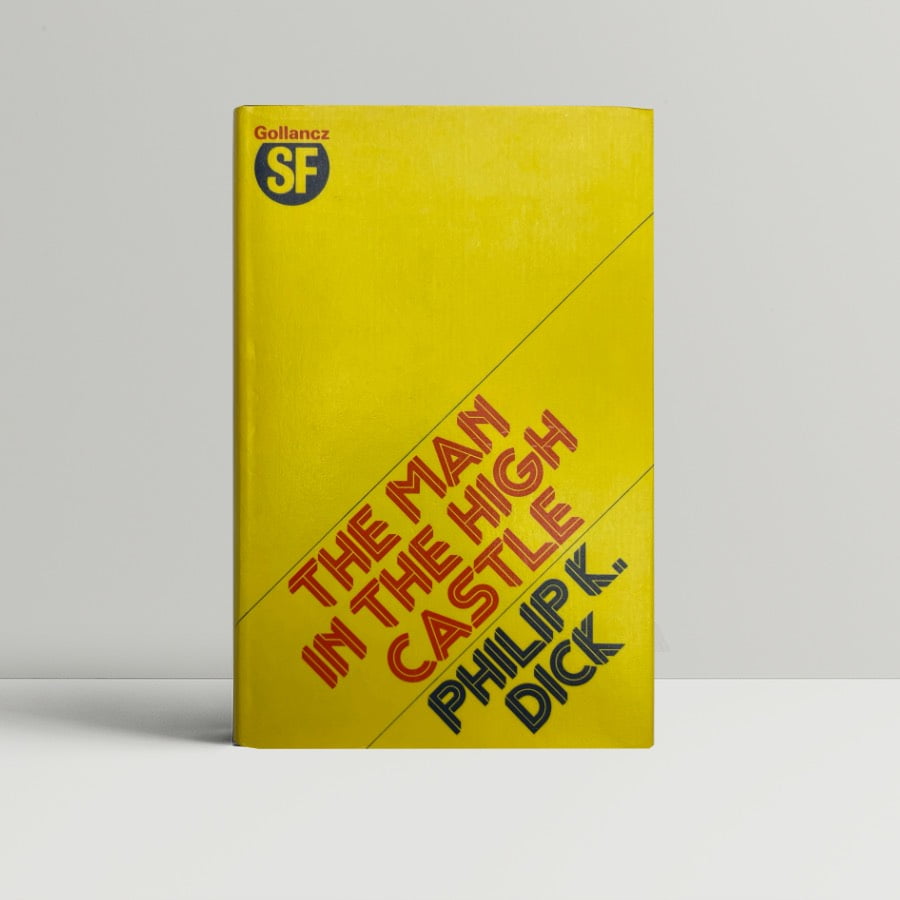
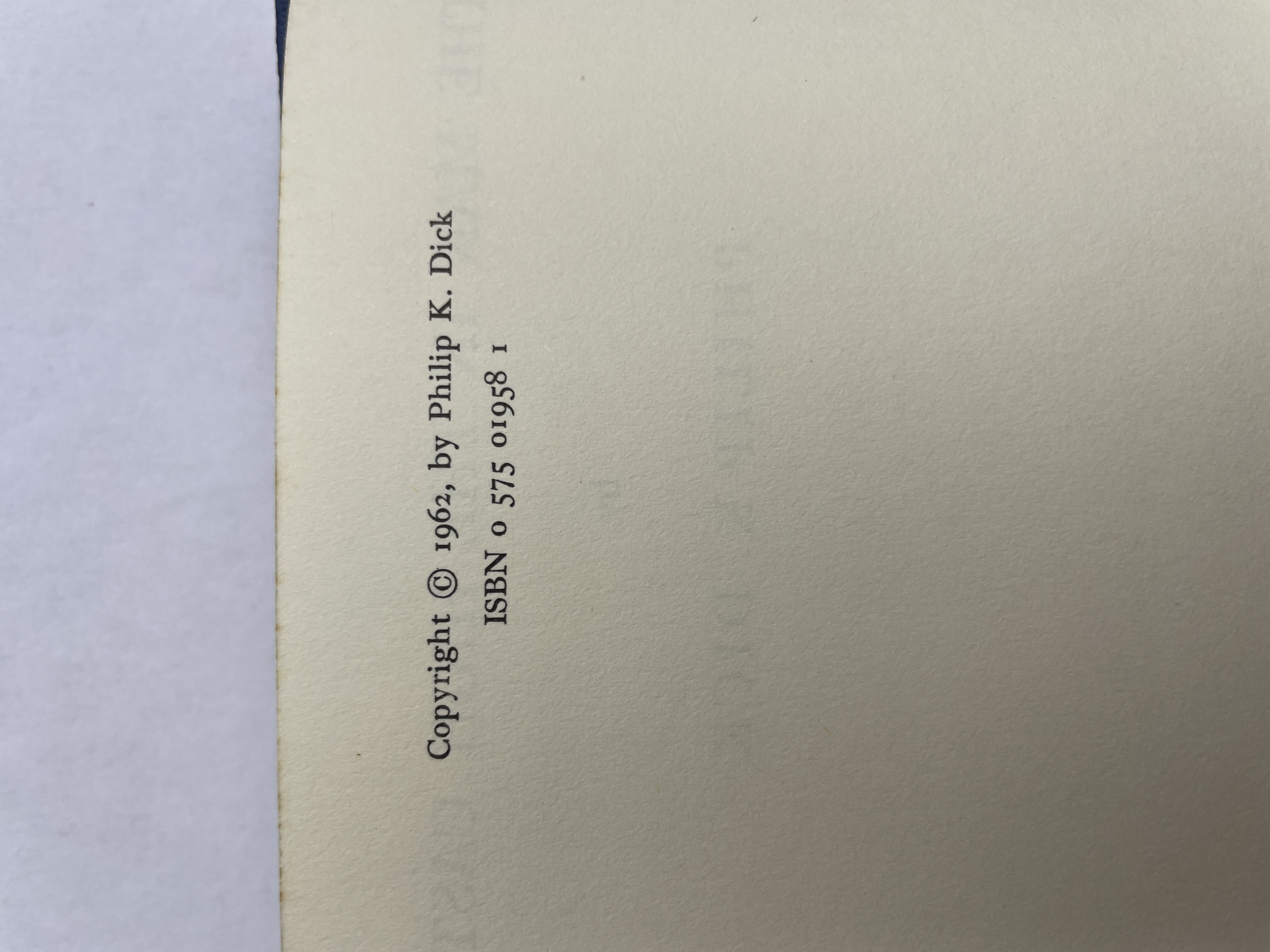
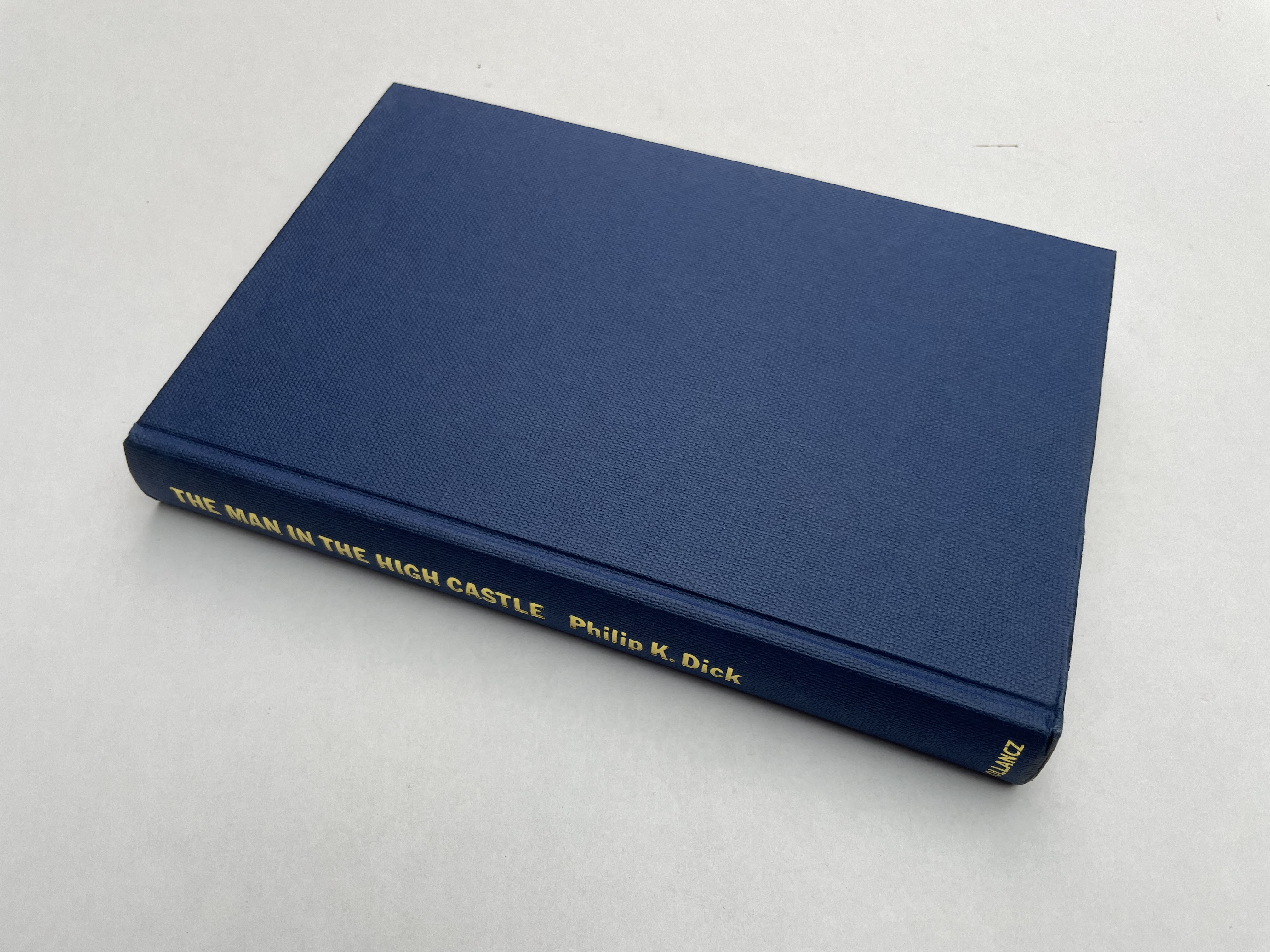
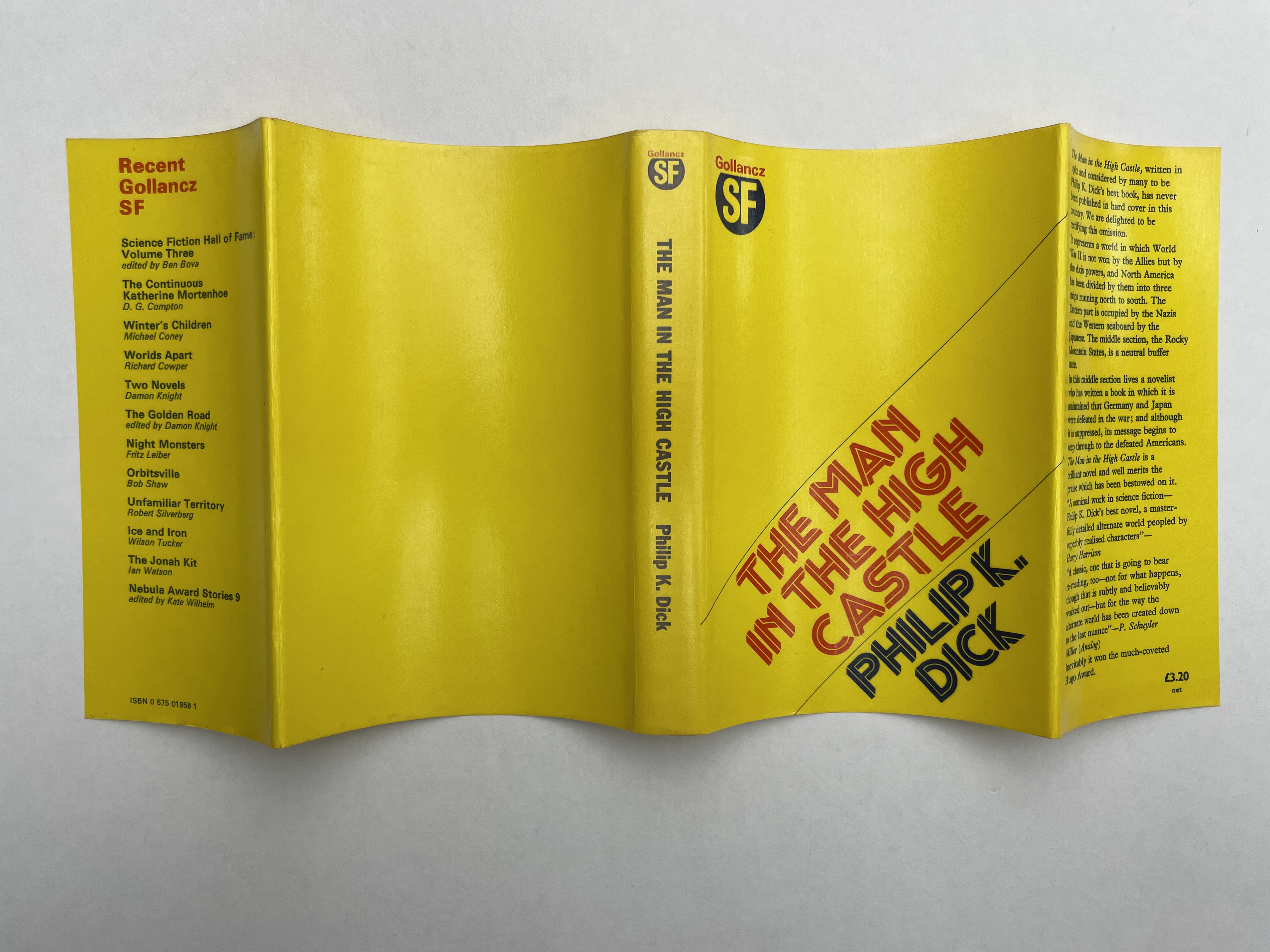
A first edition, first printing published by Gollancz in 1975 – published originally in the USA in 1962. A near fine book with spotting more so to the top edge – no inscriptions in a near fine unclipped wrapper.
Philip K. Dick’s “The Man in the High Castle” has left a profound cultural impact since its publication in 1962. As a pioneering work of alternate history science fiction, the novel challenged conventional historical narratives by presenting a world in which the Axis Powers emerged victorious in World War II. This imaginative exploration of a divergent historical path not only earned critical acclaim but also contributed to the popularisation of alternate history as a literary sub-genre. Dick’s work initiated a broader discourse on the “what if” scenarios of history, inspiring subsequent writers to engage with counterfactual storytelling. Beyond literature, the novel’s influence extended to popular culture through a 2015 television adaptation, fostering broader interest in alternate history themes. It prompted discussions about totalitarianism, propaganda, and resistance, making it relevant in a time of political uncertainty during the Cold War. In sum, “The Man in the High Castle” stands as a pivotal cultural touchstone that continues to shape discussions on history, fiction, and the human condition.
Philip K. Dick’s “The Man in the High Castle” has left a profound cultural impact since its publication in 1962. As a pioneering work of alternate history science fiction, the novel challenged conventional historical narratives by presenting a world in which the Axis Powers emerged victorious in World War II. This imaginative exploration of a divergent historical path not only earned critical acclaim but also contributed to the popularisation of alternate history as a literary sub-genre. Dick’s work initiated a broader discourse on the “what if” scenarios of history, inspiring subsequent writers to engage with counterfactual storytelling. Beyond literature, the novel’s influence extended to popular culture through a 2015 television adaptation, fostering broader interest in alternate history themes. It prompted discussions about totalitarianism, propaganda, and resistance, making it relevant in a time of political uncertainty during the Cold War. In sum, “The Man in the High Castle” stands as a pivotal cultural touchstone that continues to shape discussions on history, fiction, and the human condition.